
Aesthetic Wellbeing Series: Amrita Sher-Gil
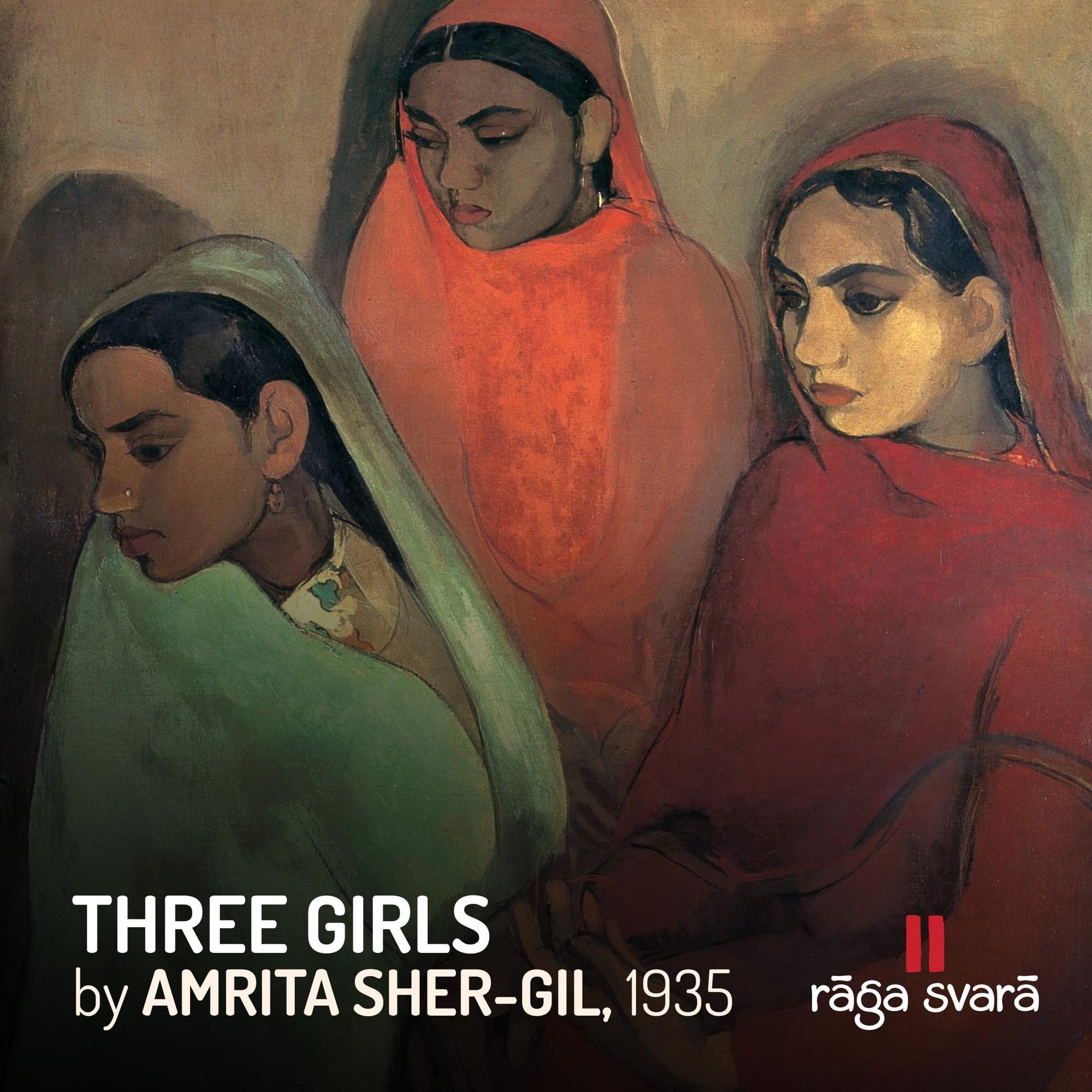
At Raga, pausing to reflect on art is essential to wellbeing. We need symbols, works of art that represent life situations, to help us find meaning in our experiences. Through paintings, music, and dance, we discover and shape the worlds we live in.
Continuing our Aesthetic Wellbeing series after a long time, we turn to Amrita Sher-Gil, a pioneer of modern Indian art. Born to a Punjabi Sikh father and a Hungarian mother, Sher-Gil bridged Western oil techniques with Indian subjects. Her work moved away from Parisian academic styles to a language of empathy, melancholy, and vibrant earth tones, capturing what she called the "Indian reality."
Her 1935 work, Group of Three Girls, reflects this shift, depicting the pensive dignity of rural life. It serves as a reminder of how art allows us to see our own life situations as something deeply meaningful.
Explore Further:
- Read: Amrita Sher-Gil: A Life by Yashodhara Dalmia.
- Listen: The "Amrita Sher-Gil" episode of The Great Women Artists podcast.
- Watch: Amrita Sher-Gil: The 1969 documentary Amrita Sher-Gil (Dir. B.D. Garga).